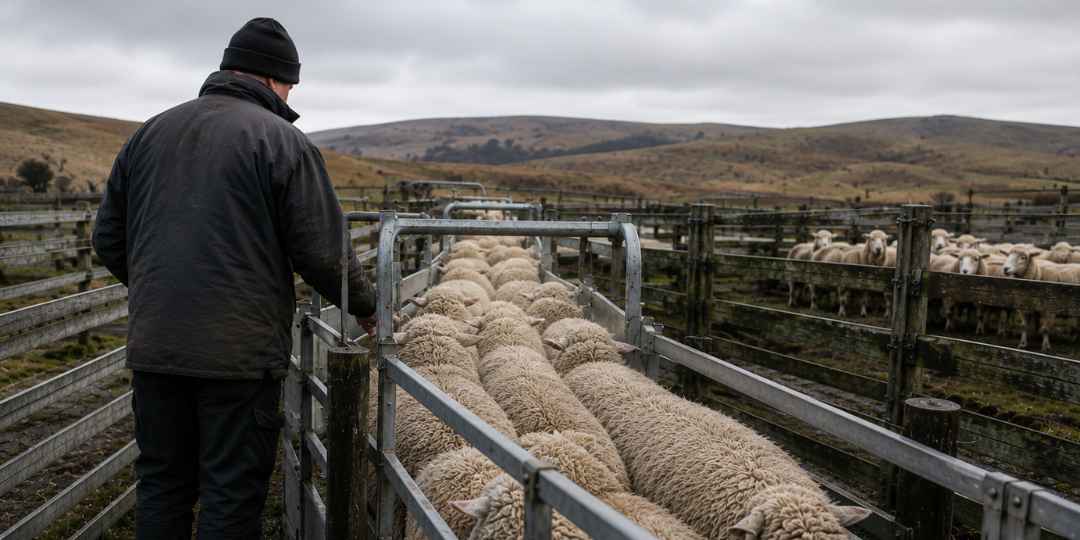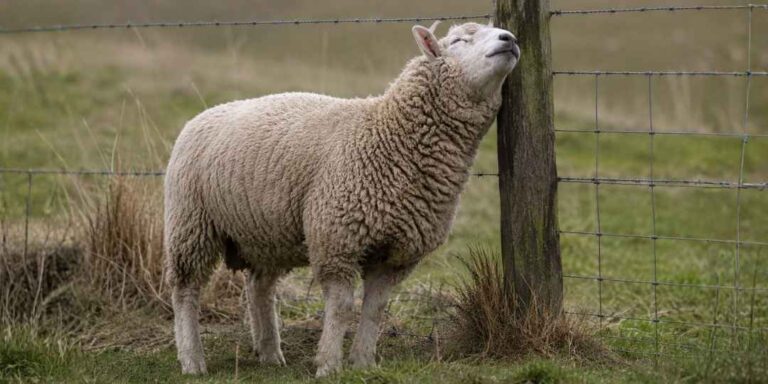
Winter is often when lice activity becomes more noticeable in sheep. Rubbing, wool damage and irritation can all become more obvious as stock carry heavier fleeces through cooler conditions. While lice may not always cause dramatic illness, they can still impact comfort, condition and overall productivity if left unmanaged. Why lice become more noticeable in … Read more
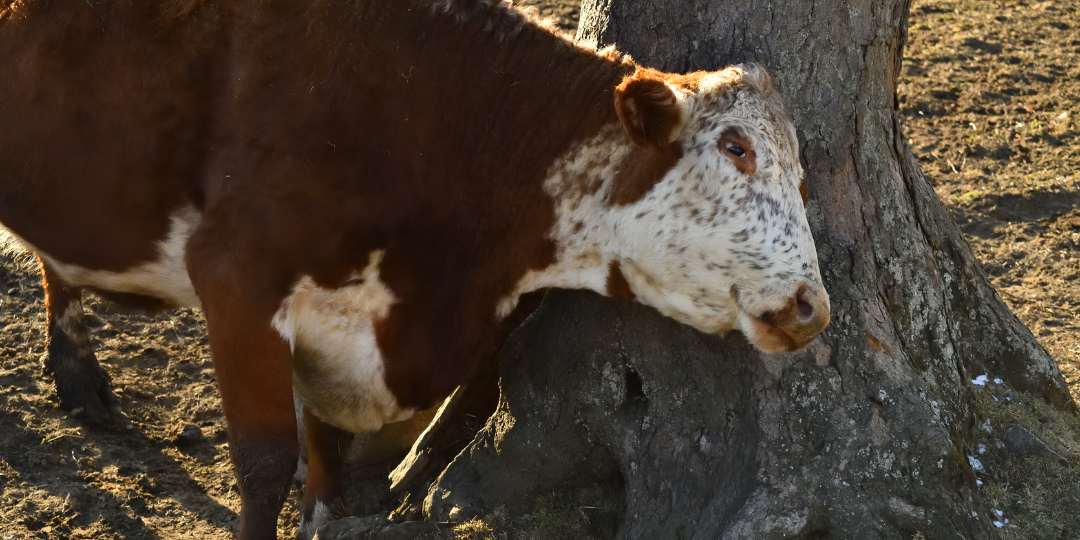
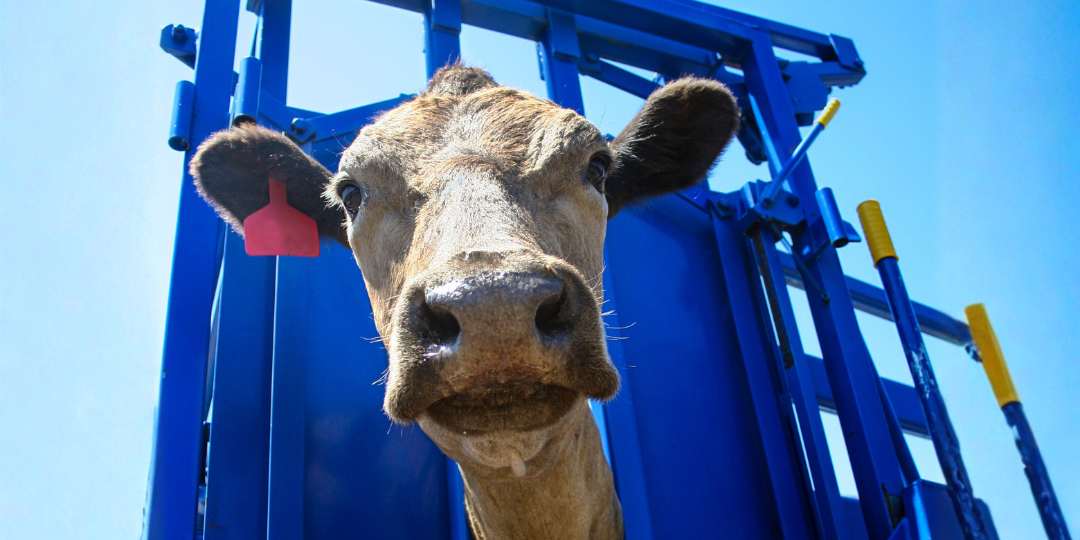
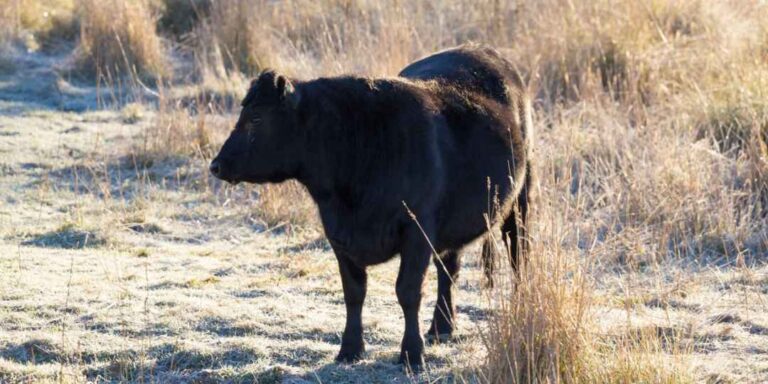
Feed is expensive, and every kilogram counts through winter.When cattle aren’t performing as expected, nutrition often takes centre stage. However, external parasites such as cattle lice can quietly reduce productivity without causing obvious illness.Winter provides ideal conditions for cattle lice. Longer coat length and closer contact between animals allow lice populations to build, increasing irritation … Read more

There is no single parasite management program that suits every herd. Rainfall, stocking density, grazing systems, cattle class, pasture management and previous parasite history all influence parasite risk. The most effective programs are tailored to the operation rather than following the same routine year after year. Effective parasite management starts with understanding what you’re trying … Read more

As temperatures drop, it can be easy to assume parasite pressure slows down completely through winter. But while seasonal conditions change, internal parasites can still impact feed conversion, condition and overall production performance, particularly in young stock or higher challenge environments. Winter worming is not just about treating parasites. It is about protecting performance during … Read more

Winter performance is often determined well before conditions tighten. As pasture quality declines and energy demand increases, cattle can begin to lose condition quickly if not managed early. While feed availability is a key part of the picture, it’s not the only factor influencing how animals perform through the colder months. Condition, nutrition and trace … Read more

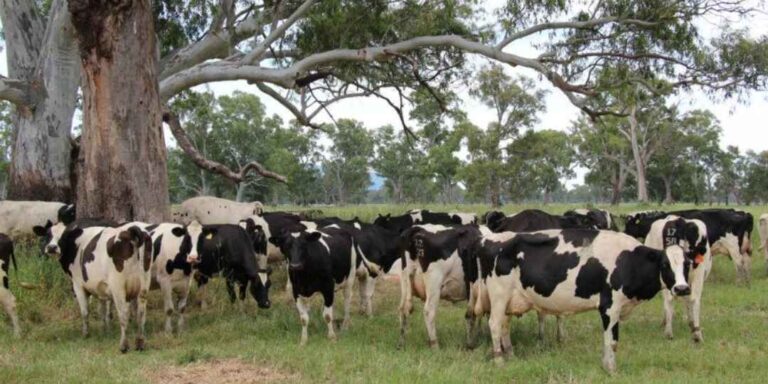
Drying off is more than just the end of a lactation period — it’s a key opportunity to reset cows and set them up for the next production cycle. How cows are managed during this time can influence body condition, recovery, and ultimately reproductive performance in the following season. Why drying off matters The drying … Read more

Vitamin B12 is involved in energy metabolism, helping cattle convert nutrients from feed into usable energy. It works closely with trace minerals such as cobalt, which is required for B12 production in the rumen. When this process is limited, energy utilisation can be affected. Why deficiency isn’t always obvious Unlike some nutritional issues, Vitamin B12 … Read more

Liver fluke is one of the more complex and often overlooked parasite challenges in livestock. In the right conditions, infections can build over time and impact animal performance before obvious signs appear. For producers in higher rainfall or irrigated areas, understanding fluke risk is critical.Unlike many gastrointestinal worms, liver fluke has a more complex lifecycle … Read more

Seasonal conditions play a major role in the development of internal parasites in grazing livestock. For many sheep producers, autumn represents a period when worm burdens can begin to increase after several months of exposure on pasture.Understanding why parasite pressure often rises during this time can help producers make more informed decisions about monitoring and … Read more

Internal parasites are a common challenge in grazing systems, particularly as seasonal conditions change. Worm burdens often build gradually, meaning the early signs can be subtle and easy to overlook.Recognising potential parasite problems early can help producers respond quickly and minimise the impact on flock performance. Monitoring flock health Because parasite challenges can develop over … Read more